
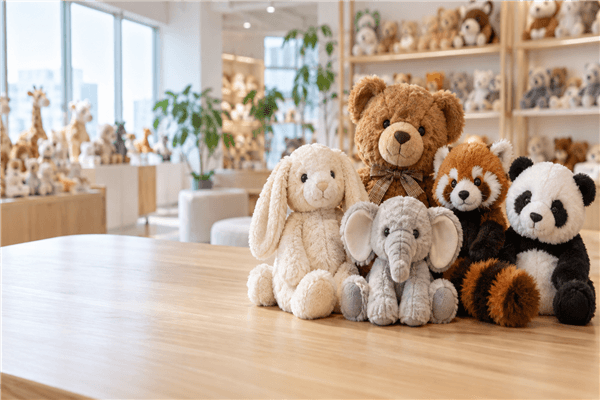
Adults have plush toys for many ordinary reasons: comfort, nostalgia, collecting, aesthetic enjoyment, connection to a story or character, gifting and simply because they like how a soft object feels in their home or daily routine. This guide answers the question in plain language, then shows the product and buying details that make the answer useful in practice.
Pufza is a custom plush manufacturer, not a direct-to-consumer shop. Where this article discusses shopping, it separates consumer purchasing advice from the factory decisions a brand or retailer needs to make when developing its own plush range.
1. The short answer to “Why Do Adults Have Plush Toys?”
Adults have plush toys for many ordinary reasons: comfort, nostalgia, collecting, aesthetic enjoyment, connection to a story or character, gifting and simply because they like how a soft object feels in their home or daily routine.
There is no single “adult plush” use case. One person may display a limited character collection, another may keep a long-owned childhood toy, and another may choose a small bag charm as a playful accessory. The meaning comes from the owner, not an age rule.
A useful answer should make its limits visible. The words “best,” “most popular,” “cutest,” “hottest” and “rarest” can mean different things to different people, locations and dates. Treat them as starting points for a decision, not as permanent universal rankings.
When a product claim is specific—such as a limited edition, a safety statement or a current bestseller—look for the exact seller, market, date and product version behind it. This habit improves both consumer purchases and professional sourcing decisions.
2. Choose based on the actual use case
Choose for your own use rather than a social-media standard. Consider the size, fabric, cleaning needs, storage space and whether you want a display piece, a travel companion, a gift or a product intended for regular handling.
Clarify the use before comparing products: is this a bedtime companion, a gift, a shelf collectible, a travel item, an event giveaway or a retail SKU? The answer affects the size, fabric, cleaning expectations, budget and the information that should matter most.
For an online purchase, save the exact product page and order confirmation. For a brand project, use a written product brief. In both situations, a record of the agreed item prevents later confusion about which version, material, size or pack was expected.
A good decision is not always the most expensive or most visible option. It is the one whose design, information, support and price fit the use you actually have in mind.
3. What quality looks like in a plush product
Adult buyers often notice tactile and visual details: pile direction, color restraint, expression, proportions, garment construction and packaging. These are valid product criteria, just as they are for collectors or gift buyers.
Look closely at the surface. Pile should appear even and appropriate to the design; color should be consistent; seams should not distract from the character; and the stuffing should support the intended shape without making one area look overfilled or empty.
Facial details deserve special attention because small changes in embroidery position, applique alignment or printed features can change a character’s expression. Product photos should show enough detail for a buyer to understand what is actually being offered.
For a custom item, the same points become inspection criteria. Material confirmation, first-piece review, in-process checks and shipment inspection are most useful when they compare finished work with one approved sample and one current specification.
LET'S MAKE THE NEXT STEP CLEAR
Develop an original plush with a clearer product brief.
Share your artwork, intended customer, target market and packaging direction. Our Shenzhen team will outline a practical sampling route.
Get a Quote →4. Check age guidance, care and product information
If the plush is for a child, use the manufacturer’s stated age guidance, warning information and care instructions. Do not assume that an item is suitable for a particular age only because it looks soft or appears in a children’s category.
Attached accessories, magnets, cords, hard components, batteries and packaging can change the questions a responsible adult needs to ask. For a destination-market product, the responsible business should confirm applicable requirements with appropriate testing and compliance support.
Care also affects value. Understand whether a plush is designed for gentle surface cleaning, machine washing, display-only handling or specialist care before making a purchase or setting a customer expectation.
5. Read popularity and trend claims with context
Adult collecting and comfort-led purchases have become more visible in toy coverage, supported by nostalgia, licensing, gift culture and online communities. Visibility should not be confused with a single universal trend or buying rule.
A trend can be commercially useful when it reveals a customer behavior—such as a preference for portability, nostalgia, gifting, sensory texture or collecting. That underlying behavior is often more durable than the exact viral character that first drew attention.
For shoppers, ask whether you would still like the product without a countdown, resale story or social-media push. For retailers, test demand through a focused assortment and measure actual customer response before expanding inventory.
Avoid using an unqualified “right now” claim as evidence of quality or permanence. Good reporting identifies where and when a trend was observed, and leaves room for different markets to behave differently.
6. What this question means for a plush brand or retailer
From shopper question to production brief
For brands, adult-oriented plush may need a different brief from a children’s line: display context, character story, material hand feel, collector packaging and channel expectations should be discussed before sampling.
A factory can bring practical experience to material, pattern, embroidery, filling, packaging and inspection, but it should not make unsupported promises about what every consumer will buy. The buyer owns the customer insight and market strategy; the production team helps make the approved product repeatable.
A clear development path starts with artwork or a product direction, intended market, size, material preference, estimated quantity, packaging and target delivery date. Sampling then converts those inputs into something the buyer can handle, revise and approve.
Before bulk production, document the current sample, material references, measurements, labels, packing and agreed quality priorities. This creates a stronger foundation for factory testing and shipment inspection than a general request for “high quality.”
7. Apply the answer to real-world scenarios
A gift, a collection, a child-use item or a retail launch
For a gift, the most useful answer to “Why Do Adults Have Plush Toys?” starts with the recipient rather than an online ranking. Consider their interests, available space, preferred colors, practical care needs and whether the item should feel playful, personal or collectible. A clearly described product and dependable delivery route are usually more valuable than a vague claim that it is the best.
For a personal collection, decide whether you value a character, an artist, a material, a historical story, a particular edition or the physical presence of the object. Keep records of the exact edition, seller and condition when those details matter. This helps you assess value on evidence rather than on an unverified popularity statement.
For a child-use item, the decision needs an extra layer of care. Use the product’s stated age information, instructions and warnings; assess any attached components; and keep cleaning realities in mind. A soft surface alone does not explain the full suitability of a toy for a particular child or routine.
For a retailer or brand, the scenario should become a customer hypothesis. Define who will choose the product, where they will encounter it, how it will be priced and what feature gives it a reason to exist. That gives the sample team something more useful to work from than a broad request to make a popular plush.
8. Compare evidence, not just appearance
A four-part review before committing
First, compare product identity. Is the listing for the exact size, colorway and version you want? Product families can include mini, standard, oversized, seasonal and collector variants that look similar in a small thumbnail but differ substantially in materials, accessories and price.
Second, compare the quality evidence. Product photographs should show the face, seams, labels, attachments and overall proportion. Written specifications should explain size, outer material, filling and care. If the evidence is unclear, a careful shopper asks a question; a careful buyer asks for a sample or additional detail before approval.
Third, compare accountability. An official store, a specialty retailer, an independent maker and a resale seller can all be legitimate routes, but they offer different levels of warranty, customer support, authenticity evidence and return options. Choose the route that fits the risk of the purchase.
Fourth, compare the complete outcome: product, packing, delivery, support and return or inspection path. This is especially important for a time-sensitive gift, a product intended for a child or a B2B launch. A low price can stop being low if the delivered item does not match the expectation.
9. Turn interest into a clear product brief
Useful questions for a custom plush project
A consumer question such as “Why Do Adults Have Plush Toys?” can reveal a useful creative direction, but it is not yet a manufacturing brief. Translate it into a defined animal, character or object; target size; audience; fabric hand feel; decoration method; intended channel and expected quantity.
Reference images are helpful when they explain mood, proportions or color direction. They should not be treated as permission to copy another brand’s character or copyrighted artwork. An original design process protects the customer relationship and gives the project a story that can stand beyond a temporary trend.
During sample development, review the elements that matter at the scale of the finished product: body shape, seam placement, facial expression, embroidery density, applique edges, trim, filling level, labels and packing. Factory testing and pre-shipment inspection work best when these points are written down and agreed before bulk work begins.
If a target price is important, discuss it openly with the specification. A team can explore size, fabric grade, panel count, decoration, accessories, packaging and quantity without concealing a change that would affect the product’s intended experience. Transparent trade-offs are more reliable than a quote that leaves key details undefined.
10. What to do when information is incomplete
Pause, verify, then decide
A listing or supplier message does not need to answer every possible question, but it should answer the questions that change the decision. If it cannot identify the exact product, material, size, age guidance where relevant, care route, shipping terms or responsible seller, treat that gap as useful information rather than an inconvenience to ignore.
For consumer purchases, use the seller’s contact channel before ordering when a detail is material to your decision. Keep the written response with the order record. For a vintage, rare or resale item, request current images and a description of condition, repairs, odors, stains, missing tags or other facts that photographs may not reveal.
For custom sourcing, bring uncertain points into the sample process. Ask for fabric swatches, measurement confirmation, decoration samples, a packing reference and a written record of changes. This is where product development becomes a controlled process rather than a series of assumptions.
Trust is built when a business is willing to be specific about what it knows, what still needs confirming and how it will handle an issue. That is a stronger basis for choosing a plush, supplier or selling channel than superlatives alone.
11. A practical checklist before you buy or source
Whether you are buying one plush or developing a range, collect the facts that change the decision. Ask what the item is made from, how large it is, who stands behind it, how it is cared for and what will happen if the delivered item differs from the listing or approved reference.
For a consumer purchase, compare seller identity, exact product photographs, material and dimension details, shipping, returns and verified support. For a B2B project, compare the written quote basis, sample route, material alternatives, inspection scope, packaging and delivery responsibilities.
This level of care is not overcomplication. It protects the reason you wanted the plush in the first place—comfort, gifting, collecting, retail storytelling or brand connection—by making the product outcome visible before money and time are committed.
12. The practical next step
Choose a route that fits your goal
If you are a consumer, use the product purpose and checklist in this guide to narrow the field. If a listing leaves key details unclear, ask before buying or choose a seller with better product information.
If you are a retailer, creator or organization developing an original plush, translate the question behind this article into a product brief. Decide what the customer should recognize, how the plush will be used, what must be protected in quality review and how it should arrive ready for the channel.
Explore Pufza’s custom plush product directions, Shenzhen factory and quality process when you are ready to discuss a made-to-order program.
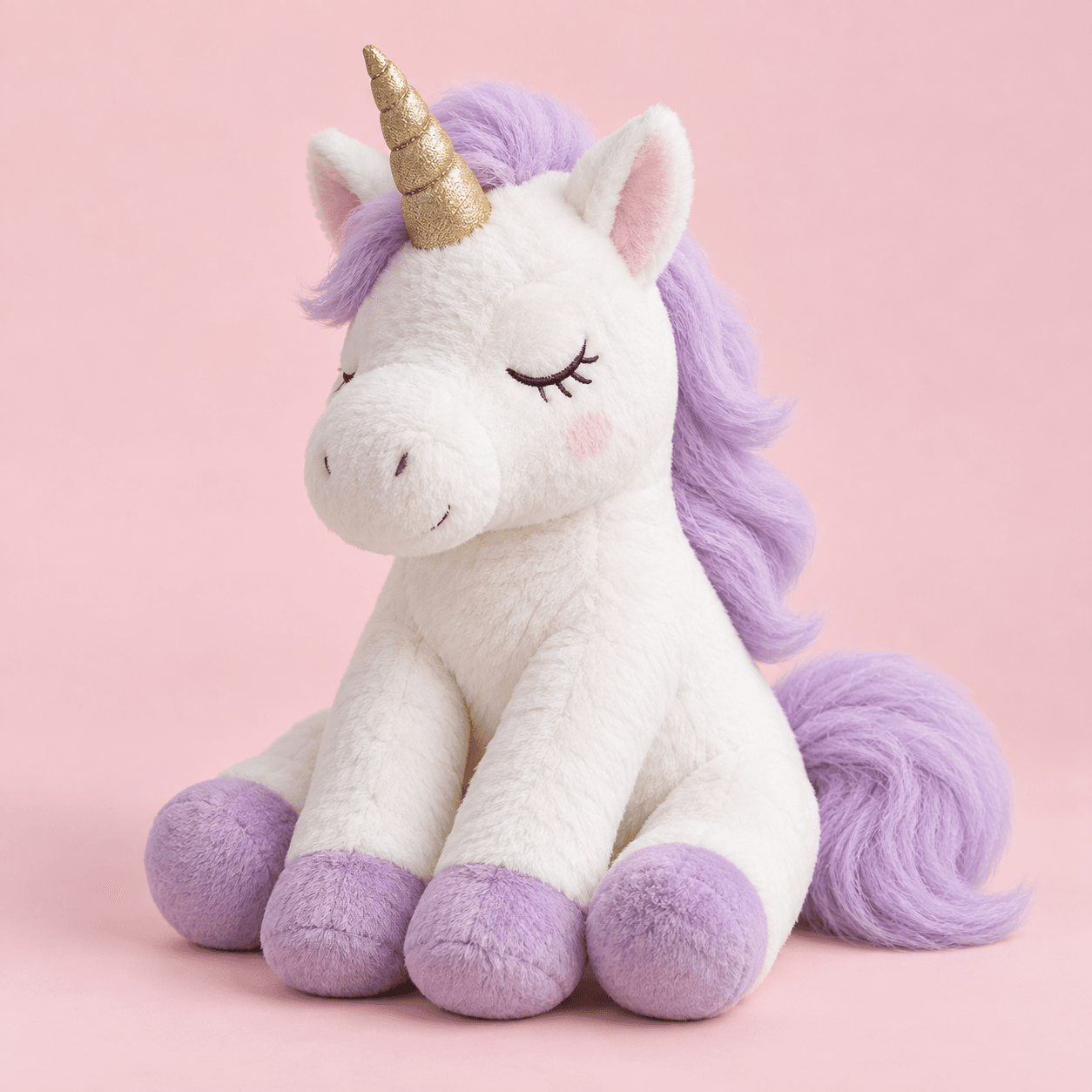
For a closer look at our production environment, visit our Shenzhen plush factory, review our approach to quality checkpoints, or explore custom plush product directions. For market-specific guidance, consult the current information from the U.S. Consumer Product Safety Commission and the European Commission where relevant to your product.
Authoritative resources
Use current, product-specific guidance when preparing a toy for a destination market.
Frequently asked questions
Is there one final answer to “Why Do Adults Have Plush Toys?”?
Usually not. The answer depends on the product purpose, country, seller, date and the criteria you care about. Use specific product information and a transparent seller or supplier process rather than an unqualified ranking claim.
What should I check before choosing a plush?
Check the exact item’s dimensions, materials, construction detail, age guidance where relevant, care information, seller or supplier accountability, packing and return or inspection path. The right priorities differ for a gift, child-use product, collectible and custom retail SKU.
Can Pufza sell individual plush toys directly to consumers?
Pufza focuses on OEM and ODM custom plush development for brands, retailers and organizations. Send an enquiry with your artwork, product direction, market, quantity and delivery needs to begin a factory discussion.
READY WHEN YOU ARE
Turn a plush idea into a production-ready sample.
Bring your character reference, quantity direction and delivery plan to Pufza for a focused custom-manufacturing discussion.
Contact Us →