
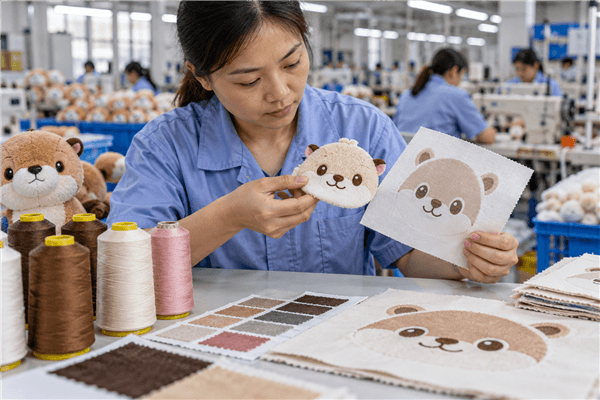
Private label plush toys give a brand control over the product story, visual identity and customer experience, but the label alone does not make a product retail-ready. A successful program connects original character direction, materials, decoration, packaging, MOQ, quality control and shipment planning before bulk production begins.
This guide groups six closely related B2B keywords into one retail-focused topic: private label plush toys, private label stuffed animals, custom mascot plush, custom character plush, custom plush dolls and custom plush keychains. It is for brands, retailers, agencies and IP teams that need a practical OEM path from concept to customer delivery.
1. The direct answer: private label needs a complete product system
Branding works best when it is designed into the item
Private label plush toys are made for a brand’s own product line rather than sold as a generic catalog item. The private-label program can include an original character or animal, approved fabrics, color direction, embroidery, woven labels, hang tags, gift packaging and customer-facing product information.
The most useful starting point is not a logo file. It is a customer and channel decision: who will choose the item, what emotional or commercial role it plays, where it will be sold and what a buyer should recognize immediately. A mascot at an event, a collectible character, a plush doll and a small keychain can require very different development routes.
A factory can help turn that direction into a production brief, but the brand should decide its non-negotiables early. Define original artwork ownership, target size, intended market, expected quantity, price position, packaging and desired delivery date before treating a sample as final.
2. Choose the private-label format that matches the customer moment
Mascots, characters, dolls and keychains serve different jobs
Custom mascot plush works well when a company, destination, school, sports team or campaign needs a recognizable physical ambassador. The visual language should be clear at normal viewing distance, and the product should have a practical role in the event, retail display or customer-gift journey.
Custom character plush may need more emphasis on expression, proportion, color matching and repeatability across a collection. If a character will appear in multiple sizes or formats, establish the defining silhouette and face details on the core sample so smaller or larger versions retain the same identity.
Custom plush dolls and custom plush keychains are not merely scaled versions of a standard toy. A small format changes seam visibility, embroidery legibility, attachment choices, pack design and likely price expectations. Choose the format because it fits the channel rather than because it is currently visible in a trend feed.
3. Build a factory-ready private-label brief
A clear brief prevents a branded product from becoming a generic result
Include current artwork, character reference, intended customer, target size, estimated quantity, destination market, planned retail channel, required delivery date and budget direction. State which colors, logo uses, labels, packaging elements and visual features are fixed versus open for factory advice.
Add reference images for mood, material feel or display context, but distinguish them from original artwork. A private-label line should be based on design rights the brand controls. A responsible OEM partner can advise on manufacturability without copying a competing character or protected asset.
Ask the factory to respond with a stated specification basis. The first quotation should identify assumed fabric, filling, embroidery or print method, label route, packaging, MOQ, sample plan and estimated milestones. This makes revisions traceable and gives procurement teams a realistic comparison point.
LET'S MAKE THE NEXT STEP CLEAR
Build your private-label plush line from an approval-ready brief.
Share your artwork, customer use case, expected quantity and packaging direction. Pufza will help map the sample and production steps.
Ask for Product Catalog →4. Sample the product and the brand details together
A plush sample should prove more than the basic shape
Review the physical sample against the product brief: silhouette, fabric pile, fill, seam placement, facial detail, embroidery density, appliqué, garments, labels and any keychain hardware. A branding detail that looks correct in a flat artwork file may need a new placement or technique on a three-dimensional plush form.
Check the retail touchpoints during sampling as well. A woven label, hang tag, carton mark, care information, insert card or gift box should fit the actual product and customer use. Treating packaging as a late addition often creates avoidable compromises in presentation and packing efficiency.
Maintain one approval pack with dated photographs, measurement notes, material references, artwork version, branding files, packing direction and a consolidated revision record. That pack becomes the golden-sample reference for factory testing, in-process review and shipment inspection.
5. Specify materials and decoration for the intended price and use
The fabric choice should support the character and the retail promise
Surface fabric influences hand feel, color appearance, seam visibility and how embroidery reads. A short pile can hold a small face or logo clearly; a longer pile can provide a softer visual effect but may require different construction decisions. Confirm the choice on the sewn sample, not only from a swatch name.
Filling, trims and accessories should be evaluated with the customer application in mind. A display collectible, a child-focused item, a travel keychain and an event giveaway have different handling, packing and durability priorities. Use a written specification to keep these choices aligned with the product promise.
For labels and visual marks, choose a method that performs at the finished size. Embroidery, print, appliqué, woven labels and hang tags each have strengths and limitations. A factory should explain the visual and commercial effect of an alternative before a branded detail is changed.
6. Set factory testing and quality checkpoints before bulk production
Branded products need repeatable evidence, not a generic quality claim
Quality control should compare production against the approved sample and current specification. Review first pieces, confirm materials and critical visual details during production, then perform final and shipment inspection against the agreed product and packing standards.
Define the points that matter to your customer requirements: dimensions, fabric appearance, fill balance, facial expression, embroidery placement, attachments, label wording, gift presentation, carton marks and pack quantity. The best inspection plan is specific enough to identify a difference before it reaches a retailer or customer.
For destination-market toys, confirm applicable requirements with qualified compliance and laboratory support. Product claims, age guidance, components, labels and packaging should be considered early enough that testing or documentation work does not surprise the launch schedule.
7. Review the supplier relationship before committing to bulk production
Capability, communication and accountability must work together
A private-label plush supplier should be evaluated with the same discipline as the product. Review relevant samples, how the team handles design feedback, whether material and packing assumptions are written down, and how it explains the points that still need a sample decision. A fast answer is useful only when it is specific enough to be checked later.
Ask who will coordinate pattern development, artwork files, sampling, production, quality review and packing. A clear point of contact does not mean that one person performs every task; it means the buyer knows how information moves between the customer, sample room, sewing line, inspection team and freight partner.
Request a simple milestone plan covering artwork confirmation, sample feedback, material approval, bulk start, first-piece review, final inspection, packing and ready-to-ship date. If the proposed delivery date depends on buyer decisions, state the required approval dates clearly rather than treating time as an unlimited factory resource.
It is also useful to ask how changes are controlled. A revised embroidery file, different fabric pile, altered label wording or changed carton quantity can affect appearance, cost, timing and compliance preparation. Each material change should be confirmed against the sample and current specification before it becomes an instruction for bulk work.
For shipment inspection, agree the scope before cartons are closed. The inspection should compare finished product, labels, branded pack, carton marks and quantity with the approval pack. This is where a private-label program proves that the product presented to the customer is the product that was actually approved.
A long-term OEM relationship becomes stronger when both sides keep project records. The next order can use the prior approved sample, inspection findings, customer feedback and freight lessons to improve the specification rather than rebuilding every decision from scratch.
8. Plan MOQ and price around the branded specification
Private label cost is shaped by what makes the product yours
Private-label MOQ can be affected by custom fabric, color matching, embroidery setup, woven labels, packaging, component sourcing and the production economics of a unique design. Ask the supplier which elements drive the minimum and whether a change in size, pack or quantity would make the program more viable.
Compare the full quote basis rather than a unit price in isolation. Size, panel count, fabric, filling, decoration, accessories, individual pack, master carton and expected quantity can all change the finished product and its cost. A transparent quote makes these trade-offs visible.
If a target retail price or launch budget is fixed, share it with the required customer experience. The factory can then propose realistic options that protect the character’s signature features while showing the effect of changes on appearance, manufacturing route and freight.
9. Make packaging retail-ready and shipment-ready
The unboxing moment and the carton plan need to agree
Private-label packaging should communicate the product story while protecting the plush through storage and transport. Consider the retail shelf, e-commerce photo, gift occasion, information needs, carton efficiency and the condition a customer should receive when opening the item.
Pack a sample when possible and check it after a realistic handling test. Look for shape recovery, pile condition, label visibility, tag damage, garment movement and the way the product presents after it leaves the inner pack. Freight savings are not useful if compression creates a poor first impression.
Before shipment, document individual packaging, master-carton dimensions, pieces per carton, marks, pallet or loading expectations and inspection timing. This gives freight partners the correct inputs and lets shipment inspection verify the packed product, not only loose samples.
10. A launch checklist for private-label plush toys
Connect product development to retail execution
Before approving bulk production, confirm original artwork rights, sample approval, material references, label copy, packaging artwork, applicable product information, target quantity, production milestones, quality plan and freight route. Mark any open decision with an owner and date rather than treating it as implied.
For a collection, decide which item is the hero and which formats support it. A larger character plush may carry the story, while a keychain, mini plush or gift-ready version can create an accessible entry point. Keep the character system consistent across all approved formats.
Pufza can help brands translate customer requirements into a private-label plush sample route. Send the product concept, artwork, expected quantity, destination market, packaging direction and in-hand date so the Shenzhen team can outline a practical OEM development plan.
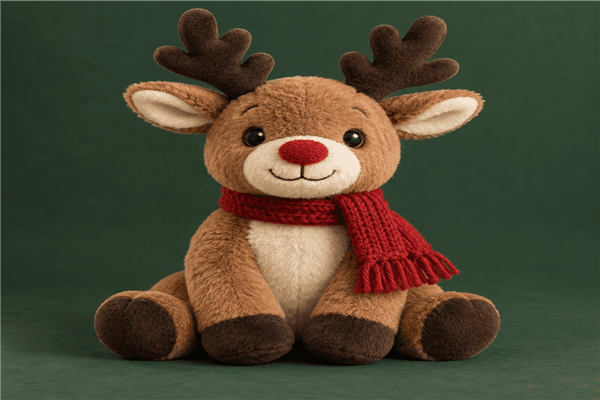
For a closer look at our production environment, visit our Shenzhen plush factory, review our approach to quality checkpoints, or explore custom plush product directions. For market-specific guidance, consult the current information from the U.S. Consumer Product Safety Commission and the European Commission where relevant to your product.
Authoritative resources
Use current, product-specific guidance when preparing a toy for a destination market.
Frequently asked questions
What can be private labeled on a plush toy?
Private-label elements can include the pattern shape, fabric color, embroidery, printed details, appliqué, clothing, woven labels, hang tags, care information, gift boxes, carton marks and customer inserts. Review the product and packaging as one approved system rather than adding branding after production decisions are fixed.
How is a custom mascot plush different from a generic plush product?
A custom mascot plush is built around a brand-owned identity and a defined customer application. It needs an approved character system, consistent proportions, controlled decoration, appropriate packaging and a repeatable production reference. A generic product does not provide the same proprietary story or brand-control requirements.
What should be checked before launching private label stuffed animals?
Confirm original artwork rights, the approved sample, materials, branding files, labels, packaging, destination-market preparation, MOQ, timeline, factory testing, inspection plan and shipping route. This reduces the chance that a late product or packing decision changes the customer experience or delivery plan.
READY WHEN YOU ARE
Ready to launch branded private-label plush toys?
Send your character concept, target market and delivery plan to Pufza for a focused OEM conversation.
Get a Quote →