
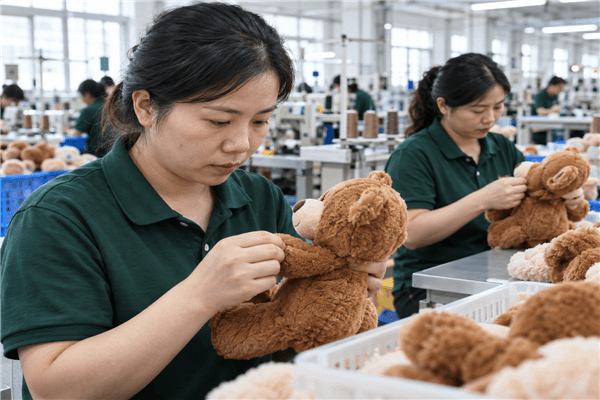
stuffed animal MOQ is a sourcing decision with product, commercial and delivery consequences. A useful answer begins with the finished product and its buyer, then connects the brief, sample, factory testing, quality controls, packing and shipment plan. This guide is designed to help a procurement team turn a broad question into a controlled project conversation.
Pufza works on custom plush projects from an 8,000 m² Shenzhen facility. In practice, customer requirements need to stay visible from the first sample through bulk production and shipment inspection. The exact solution will change by product and destination, but the framework below shows the evidence a buyer should request before approving an order.
1. The direct answer: how to approach stuffed animal MOQ
Start with the commercial decision, not a generic label
The right approach is to compare commercial offers using the same product and delivery assumptions instead of choosing from an isolated headline price. That focus keeps product choices tied to the customer experience and makes the supplier discussion more useful from the first quotation.
The related search terms—low MOQ custom plush, minimum order custom plush toys, plush toy order quantity, plush toy supplier quote, plush toy sourcing cost—describe different stages of the same purchase journey. Use them to identify the decisions that must be shown in a sample, stated in a quote or protected at shipment, not as a list of promises.
A dependable project separates confirmed requirements from decisions that need evidence. The buyer may know the channel, artwork, quantity and date; the physical sample may be needed to confirm fabric behavior, construction, decoration or packing.
This distinction helps a factory flag real constraints early. It also gives the buyer a better basis for comparing recommendations, avoiding late changes and making an informed release decision.
2. Build a buyer brief that a factory can act on
Make the commercial scope visible before quoting
A working brief includes artwork, size, materials, decoration, packaging, quantity scenarios, market, delivery date, incoterm and inspection requirements. It should say which details are fixed, which are open for sample-stage advice and who can approve each category of change.
Supply the current artwork or product references, standard views, size direction and a plain-language description of the product application. Identify the character features, labels, packaging or delivery conditions that are non-negotiable for the customer.
Avoid using broad expressions such as “high quality,” “safe,” “premium” or “fast delivery” without a specific reference. A supplier can give better feedback when the intended material, construction point, market requirement or arrival date is stated clearly.
Version-control the source files. A dated product brief, artwork file and packing instruction reduce the chance that the buyer, sample room and inspection team work from different assumptions.
3. Use sampling to turn assumptions into inspectable evidence
A sample proves more than a digital proof
At sample stage, the supplier should identify which costs and timings are confirmed, which need sampling and which depend on material or component availability. A drawing or quotation cannot prove the final hand feel, seam behavior, feature definition, fill balance or condition after packing.
Review the sample at normal customer distance and in close detail. Photograph it from agreed views, compare it with the latest artwork and record consolidated comments for dimensions, materials, decoration, labels and packing.
Separate feedback by type. Visual comments can affect pattern or embroidery; functional comments can change a component or construction; commercial comments can change packaging, quantity or delivery scope. Each change should have an owner and a clear approval path.
Once approved, preserve the golden sample and its record. The reference photographs, measurements, material notes and packing directions become the bridge between creative sign-off and controlled bulk production.
LET'S MAKE THE NEXT STEP CLEAR
Need a clearer sourcing brief before your next plush sample?
Send your artwork or product direction, target market, quantity and packing needs. We will help identify the production decisions to confirm first.
Send Your Requirements →4. Plan factory testing and quality control before bulk work begins
Control the product against the approved reference
The production plan should include written quote scope, approved sample, final PO version, change approval, production milestones, inspection plan and shipment-release criteria. Each checkpoint needs a reference, an owner and a response if a result does not match the agreed product.
The first production piece is a practical gate. It shows whether the line has carried sample decisions into bulk work: fabric direction, panel shape, feature placement, filling, labels and packing setup.
Factory testing and internal observations help control production variables, but they do not replace product-specific compliance assessment or third-party testing where these are required. The responsible market operator and qualified laboratory should determine applicable requirements.
Ask for concise decision-led updates. A useful report shows the approved reference, the current observation and the specific buyer action needed, instead of an unlabelled collection of factory photographs.
5. Compare cost, quantity and timing using the full scope
A unit price is useful only when the assumptions match
Material, size, panel count, decoration, components, packaging, quantity, quality planning, freight and delivery terms can all alter cost. Compare supplier quotations only when the product brief and inclusions are aligned.
Work backward from the date goods must reach the receiver, not merely the factory-finish target. Add time for artwork clarification, sampling, revision, material lead time, bulk production, packing, shipment inspection, documents and freight handover.
Model more than one quantity scenario when the order is new. A larger order can affect material and packing efficiency, but it can also increase inventory exposure. The best option protects the product proposition and commercial runway.
When a budget change is proposed, make its effect visible. A revised material, feature, pack or quantity should be assessed against the approved sample and may require a documented new approval.
6. Prepare packing and logistics as part of the product
The delivered condition is a buyer requirement
The project should document delivery terms, packing assumptions, freight responsibility, booking timeline and costs that sit outside the production unit price. Review packing with the actual product because a nominally efficient solution can change shape, pile, accessories or customer presentation after transport.
Before cartons are sealed, confirm the current packing artwork, product count, carton marks, required documents and inspection time. If an independent inspection is included, plan access and a correction window before the last possible ship date.
Shipment inspection verifies finished goods and packing against the agreed specification. It cannot recreate missing sample work, so it is most valuable when the buyer and factory already share one current approval pack.
If the destination, warehouse or customer changes, revisit the delivery plan deliberately. Carton limits, label fields, route timing and handover responsibilities may change with the receiving context.
7. Test the finished product against its real customer and channel
A factory-ready product still has to work after delivery
The final product should be reviewed in the context of first orders, supplier comparisons, procurement approvals and low-MOQ launch planning. Ask what the customer will see first, what they will touch or compare, and what information a store, warehouse or recipient needs to handle it correctly.
Use the finished sample to test ordinary customer-facing moments. Place it on a shelf, in a proposed gift pack, next to its companion SKUs or inside the intended fulfillment path. This makes it easier to notice a size mismatch, unclear label, weak presentation or impractical pack sequence before bulk production.
Translate the channel observation into a controlled instruction. If the product needs a display pose, a product card, a barcode position, a premium gift presentation or a compact parcel route, attach that decision to the approved pack rather than leaving it in an informal comment.
For a repeat order, compare the current customer requirement with the existing approval pack. A familiar product may need a revised label, new warehouse instruction, changed retail assortment or different freight route even when the plush design appears unchanged.
8. Keep factory, buyer and logistics decisions connected
A controlled handover makes remote sourcing more dependable
Name one buyer-side decision owner and one factory contact for the active version of the project. This does not centralize every specialist decision; it makes sure design, quality, packing and delivery feedback reaches the same controlled record.
During sampling and production, use short updates that identify the reference, observation, impact and next action. For example, a material question should state the approved swatch, the available alternative, the effect on appearance or timing and the specific approval needed from the buyer.
Before shipment, reconcile the production record with the commercial record: product version, quantities, labels, packing, inspection result, carton data, documents and forwarder instruction. The goal is to avoid a correct product leaving under an outdated packing or delivery assumption.
This discipline is valuable even for a small order. It creates an audit trail for customer requirements, factory testing, shipment inspection and change decisions, giving both sides a clearer base for the next order or corrective action.
9. Recognize the decisions that create avoidable rework
Make trade-offs visible while options remain open
A common risk is comparing MOQ or quotations that use different material, packing, quantity, testing or freight assumptions. The remedy is a shared product reference and a clear change process, rather than more general reassurance.
Watch for late changes to artwork, materials, components, labels, packaging, market destination or delivery instruction. Each may affect several workflows at once, from material sourcing and sample development to freight booking and customer receiving.
Do not evaluate a supplier by headline price or response speed alone. Compare how the supplier identifies missing inputs, records decisions, explains trade-offs and connects factory testing with shipment preparation.
A short risk register helps remote teams: record the item, owner, due date, current evidence and next action. This is especially useful for projects involving design, purchasing, quality and logistics teams in different locations.
10. Buyer checklist before quotation, approval and shipment
Use one source of truth at every project gate
Before quotation: share the product objective, artwork, target size, material direction, quantity, packaging, market, delivery goal and customer requirements. Ask the supplier to identify omissions and assumptions.
Before production: approve the correct sample version, material references, dimensions, decoration, labels, packing and inspection plan. Give the factory one consolidated approval pack and one feedback owner.
Before shipment: confirm finished-product condition, pack configuration, carton marks, quantity, documents, inspection result and release responsibility. If an issue is found, agree how it will be corrected and verified.
This framework works for first orders and repeats. It turns a supplier conversation into a record of evidence that future teams can use to protect consistency and delivery performance.
11. Conclusion: turn a sourcing question into a controlled delivery
The next useful step is a clearer brief
The value of researching stuffed animal MOQ is not collecting more terminology. It is using the relevant questions to compare commercial offers using the same product and delivery assumptions instead of choosing from an isolated headline price, then validating the result through sampling, factory testing preparation, production control, packing and shipment inspection.
For buyers, the strongest outcome comes from current specifications, an approved reference and communication that exposes trade-offs early. That is how a plush product stays recognizable and commercially workable from the first sample to the delivered carton.
Pufza can review artwork, product references, target quantity, market, packaging and delivery goals for a made-to-order plush project. Send the facts you have, and the first discussion can focus on the next practical decision rather than an unsupported promise.
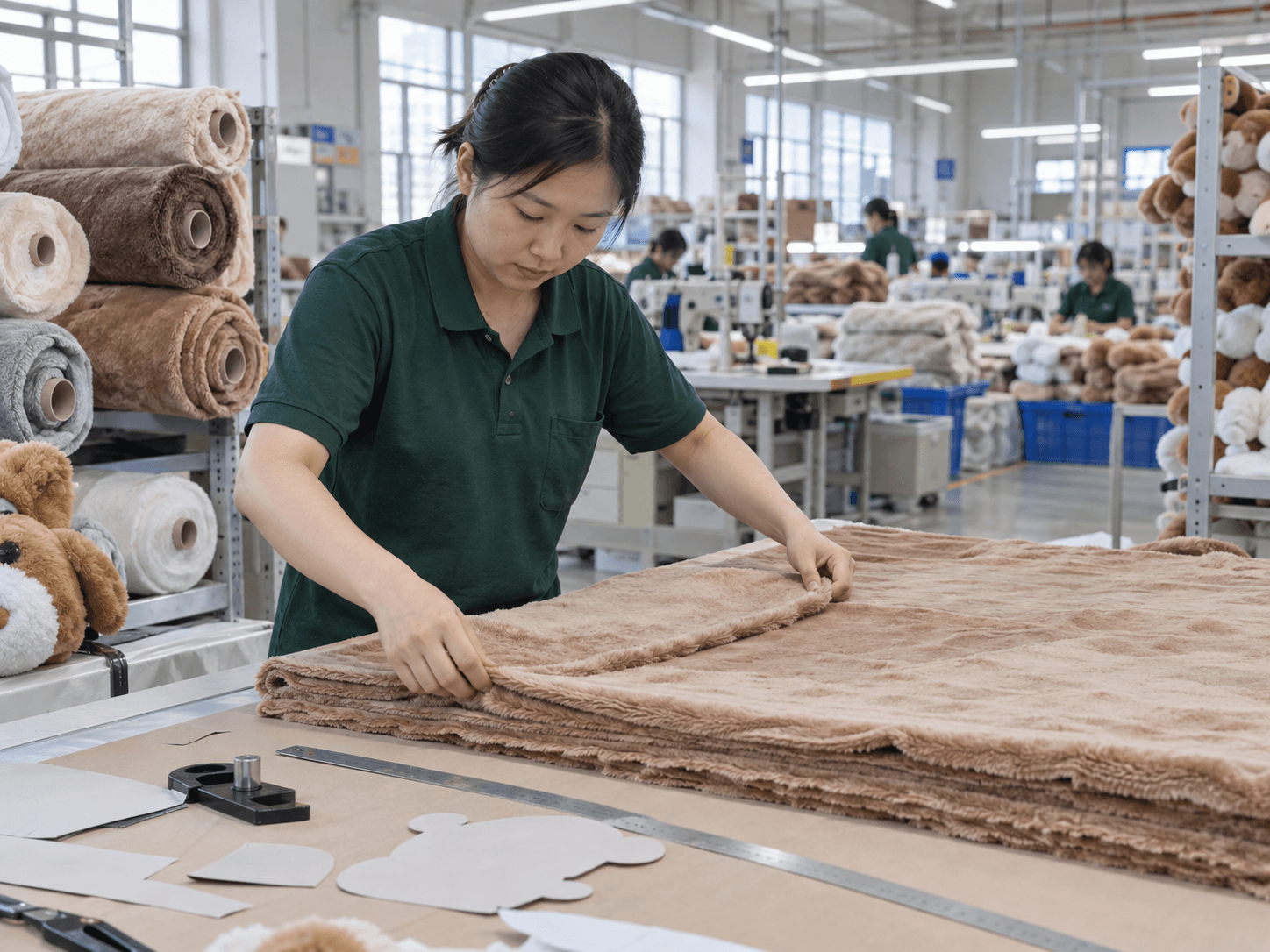
For a closer look at our production environment, visit our Shenzhen plush factory, review our approach to quality checkpoints, or explore custom plush product directions. For market-specific guidance, consult the current information from the U.S. Consumer Product Safety Commission and the European Commission where relevant to your product.
Frequently asked questions
What should I provide when asking about stuffed animal MOQ?
Share artwork or references, product application, target size, estimated quantity, destination market, packaging direction and delivery goal. A factory can then identify what is confirmed, what needs sampling and what assumptions affect quotation or timeline.
Does an approved sample remove the need for inspection?
No. The approved sample provides the production reference, while first-piece, in-process and shipment inspection help verify that finished goods and packing remain aligned with that reference. Each checkpoint has a different role.
Can a supplier confirm compliance for every destination?
A supplier can provide product information, samples and production support, but the responsible market operator should determine applicable requirements, testing, documentation and release approvals for the specific product and destination market.
READY WHEN YOU ARE
Ready to move your plush project toward an approval-ready order?
Share your customer requirements and desired delivery date with Pufza for a focused sampling and production conversation.
Ask for Product Catalog →