
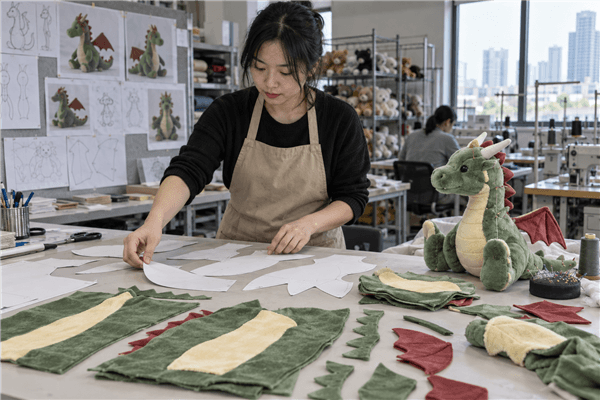
plush toys for fundraising is most useful as a buyer decision, not merely a search term. A reliable order starts with the channel, recipient and product story, then makes the assortment, sample, quality and delivery decisions visible. This guide gives brands and procurement teams a practical path from a broad product idea to a production-ready brief.
Pufza develops custom plush from an 8,000 m² Shenzhen facility. In real projects, customer requirements need to stay connected from the approved sample through factory testing, production checks, packing and shipment inspection. The exact product will vary, but the framework below helps buyers ask commercially useful questions before committing to a quotation or a production schedule.
1. The direct answer: planning plush toys for fundraising around the buyer
Begin with the real channel and recipient
The strongest starting point is to think as institutional and community buyers who need a plush product to support a cause, group identity or fan connection. That means defining what the finished plush must do for the recipient, where it will be seen, how it will be handled and what makes it worth choosing over another gift or character product.
The related search language—plush toys for schools, plush toys for hospitals, plush toys for charities, plush toys for sports teams, plush toys for fan merchandise—belongs to the same commercial journey, but each phrase points to a different purchasing decision. Use those terms to clarify assortment, product scale, design, packing or distribution needs rather than treating them as a list of claims.
A factory can give better guidance when the buyer distinguishes fixed requirements from sample-stage questions. Product story, customer use, target quantity and delivery date may be fixed; fabric, fill, decoration or pack format may need a physical review. Make that distinction explicit in the first brief.
The aim is not to over-specify an early idea. It is to give every stakeholder one current reference for the decisions that affect customer experience, production feasibility and shipment readiness.
2. Build an assortment before choosing individual plush designs
A range performs better when the roles of its products are visible
For this type of project, plan a clear mascot or cause-led design, a practical distribution size and a product story that supporters can understand quickly. The range should be understandable to a customer in a few seconds, while still giving the buyer a practical mix of visual impact, price, size and replenishment logic.
Start with one product that carries the story most clearly. Then decide which supporting items add a new reason to buy: a smaller impulse item, a different pose, a companion character, a premium gift format or an accessory-scale extension. Adding more SKUs is not automatically a stronger range.
Review the assortment as a group. Place rough samples or mock-ups next to each other, check the spacing of colours and silhouettes, and note whether every item has a clear role. This is often more revealing than approving a single attractive product in isolation.
For a first order, a narrower range with controlled materials and clear product roles can be easier to sample, quote, inspect and reorder than a large set of loosely connected designs.
3. Write a factory brief that reflects the sales channel
The commercial context changes the production conversation
A useful brief states organization identity, recipient age range, use case, donation or distribution approach, quantity, packaging, destination and approval owner. It should also identify who consolidates feedback and who has authority to approve artwork, samples, packaging and final release.
Include current artwork, reference photographs, target dimensions and a plain-language description of the product application. If a distinctive character feature matters, call it out. If the order must fit a specific display, event, carton limit or fulfillment route, make that requirement equally visible.
Describe the desired outcome rather than relying on broad labels such as “premium,” “cute” or “retail-ready.” A supplier can respond more accurately to a requested hand feel, size range, visual priority, packaging example or customer requirement than to an adjective alone.
Keep an approval record with dates and file versions. The same artwork, label proof and packing instruction should guide the sample room, production team, buyer and shipment inspection. Version control is simple, but it prevents expensive ambiguity.
LET'S MAKE THE NEXT STEP CLEAR
Need to turn a channel idea into a usable plush brief?
Send your artwork or product direction, sales channel, target quantity, packaging needs and delivery goal. We will help identify the production decisions to confirm first.
Get a Quote →4. Use sampling to prove the customer-facing decisions
The physical sample is the point where a range becomes reviewable
At the sample stage, the buyer can review the character, colours, message and tactile outcome with the people responsible for the program before bulk release. A screen image cannot show pile direction, seam behavior, fill balance, the appearance of embroidery on curved fabric or how a product recovers after packing.
Review the sample from the customer’s likely distance as well as in close detail. Photograph standard views, compare them with the approved artwork and record clear comments. If several people review a sample, combine their feedback into one prioritized list before asking for a revision.
Separate visual comments from functional and commercial comments. A face adjustment may change a pattern or embroidery file; a new hangtag may affect print timing; a reduced carton size may affect the product’s recovery. The buyer should understand these links before approving a change.
When a sample is approved, retain an approval pack with photographs, dimensions, fabric references, decoration notes, label and packaging instructions. This becomes the golden reference for factory testing, production control and final inspection.
5. Connect factory testing and quality control to the approved range
Quality needs specific reference points, not generic reassurance
During production, the approval pack protects team colours, message accuracy, construction, labels, packing and any customer requirements for the channel. Confirm the checkpoints for incoming materials, the first bulk piece, in-process review, finishing, packing and shipment inspection before the line begins.
A first-piece review is especially useful because it checks whether sample choices have reached bulk work: panel direction, feature position, stuffing, accessories, labels and packaging setup. Correcting an issue at this point is generally more practical than sorting it after the order is packed.
Factory testing and in-process observations should focus on the actual product risks. The factory can verify materials against approved references and review known stress points; where formal compliance or testing is relevant, the responsible market party and qualified laboratory should determine the applicable scope.
Ask for decision-led updates rather than an unlabelled stream of photographs. A useful update shows the current reference, the issue or confirmation, and the buyer action—if any—needed to keep the schedule moving.
6. Compare quotations, quantities and timing using the whole project
The unit price only makes sense when the scope is shared
Cost is shaped by size, fabric, filling, panel count, decoration, components, packaging, order quantity, inspection and freight assumptions. Compare supplier quotations only after giving each supplier the same working brief and asking them to state exclusions or open points.
Work backward from the date goods must reach the receiving location, not only from the desired factory-finish date. Include artwork clarification, sampling, revisions, material lead time, production, packing, shipment inspection, documents and freight handover.
For a range, consider two or three quantity scenarios. A higher quantity may change material or carton efficiency, but it also changes inventory exposure and channel risk. The best choice is the one that protects the customer proposition and commercial plan, not automatically the lowest per-unit figure.
Make trade-offs visible. If the budget requires a change to fabric, size, decoration, packaging or SKU count, confirm the effect on the approved sample and whether a new approval is needed before the change becomes an assumption.
7. Plan packing and shipment inspection as part of the customer experience
Delivered condition is a product requirement
The packing plan should address distribution method, storage, event handover, carton counts and product protection appropriate to the receiving organization. Review it with the actual sample where possible, because a packing decision can change pile, shape, accessories, display condition and the customer’s first impression.
Before final packing, confirm current label artwork, barcode or carton information where applicable, quantity, carton marks, required documents and the inspection window. If third-party inspection is included, reserve a correction window early enough for the check to influence shipment release.
Shipment inspection verifies finished goods and packing against the approved specification. It does not replace sample development or in-process control, so it is most useful when the buyer and factory already share one current golden reference.
If the destination or customer requirements change, revisit packing and documentation deliberately. A different warehouse, retailer, event venue or market can alter the carton, label, timing and handover assumptions.
8. Avoid the decisions that create expensive rework
Clarify trade-offs before materials and calendar time are committed
A recurring risk is allowing several stakeholders to approve separate versions of a mascot, message or colour reference. The practical response is a controlled brief and approval path, not more promises or more informal messages.
Watch for late changes to artwork, materials, components, personalisation data, labels, packaging or market destination. Each can affect several workflows at once: sourcing, pattern work, quotation, testing preparation, carton planning or booking. Ask for the effect in writing before accepting a revised schedule or price.
Do not judge a manufacturing partner by speed of reply alone. Compare how the supplier identifies open assumptions, asks technical questions, documents sample decisions and explains the quality and shipment handover. These habits shape the buyer’s final result.
A compact risk register can keep the project moving: list the decision, owner, due date, current evidence and next action. It is particularly useful when marketing, product, retail and supply teams work across different locations or time zones.
9. Buyer checklist before quotation, approval and release
Use the same facts at each project gate
Before quotation, share the product story, channel, target customer, artwork, size, estimated quantity, packaging direction, destination and in-hand date. Ask the factory to identify assumptions and the items that require a sample.
Before bulk production, approve the correct sample version, materials, measurements, decoration, labels, packing and inspection plan. Give the factory one consolidated approval pack and name the person responsible for future changes.
Before shipment, verify finished product condition, packing configuration, carton marks, quantity, documents and release responsibility. If an issue is found, agree how related goods will be checked, corrected and verified before handover.
This method is useful for a new collection and for a repeat order. It gives future teams evidence of what was approved and what changed, instead of relying on memory or generic assurances.
10. Conclusion: turn the channel need into a controlled plush project
The next useful step is a clearer brief
The purpose of researching plush toys for fundraising is to prepare a range for fundraisers, school programs, hospital gift initiatives, charities, clubs and sports merchandise, not to collect keywords. Start with the buyer and channel, prove the important choices through sampling, and protect the outcome through factory testing preparation, production control, packing and shipment inspection.
A durable result comes from one current specification, a documented approved sample and direct communication about trade-offs. That is how a customer-facing story remains consistent from an early concept to the carton delivered to the buyer.
Pufza can review artwork, target customers, quantities, market, packaging and delivery goals for a custom plush project. Share the facts you have, and the first conversation can focus on the decisions that will make sampling and production more dependable.
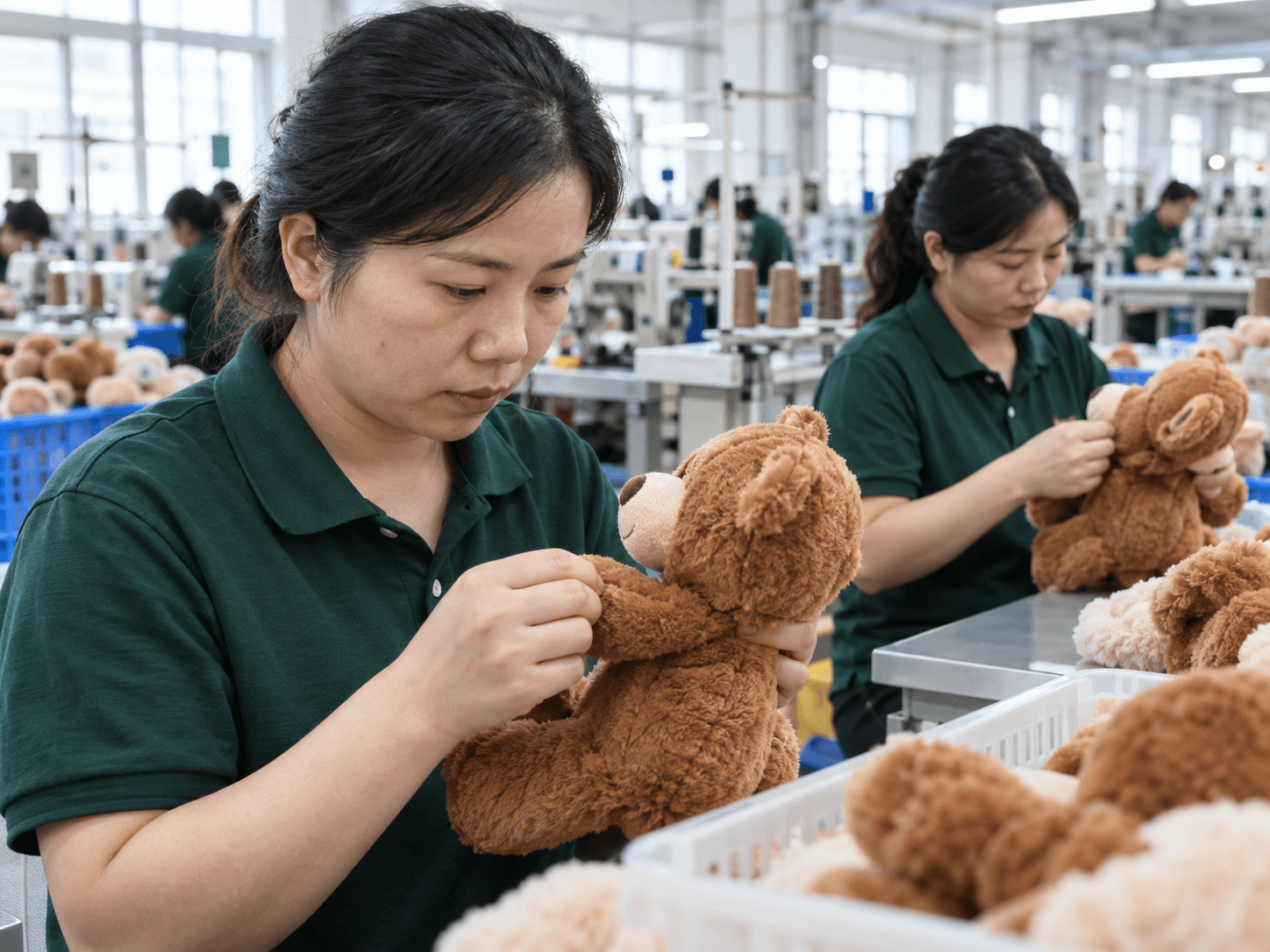
For a closer look at our production environment, visit our Shenzhen plush factory, review our approach to quality checkpoints, or explore custom plush product directions. For market-specific guidance, consult the current information from the U.S. Consumer Product Safety Commission and the European Commission where relevant to your product.
Frequently asked questions
What should I provide when sourcing plush toys for fundraising?
Provide current artwork or references, the sales channel, target customer, desired size, estimated quantity, packaging idea, destination market and required delivery date. A factory can then identify what is confirmed, what needs sampling and what affects the quotation.
How does an approved sample help a retail or brand program?
An approved sample provides a controlled reference for appearance, materials, dimensions, labels and packing. First-piece, in-process and shipment inspection can then assess bulk goods against the same documented product decision.
Can a supplier confirm every market requirement for me?
A supplier can provide product information, samples and production support. The responsible market operator should still determine product-specific regulations, testing, documentation and final market-release responsibilities.
READY WHEN YOU ARE
Ready to plan a buyer-ready custom plush range?
Share your customer requirements and desired delivery date with Pufza for a focused sampling and production conversation.
Contact Us →